Winter ready
Built for
twenty below.
Block heater outlets, heat trace, garage heaters and generator inlets. The Alaska stuff.
Block heater outlets, heat trace, garage heaters and generator inlets. The Alaska stuff.
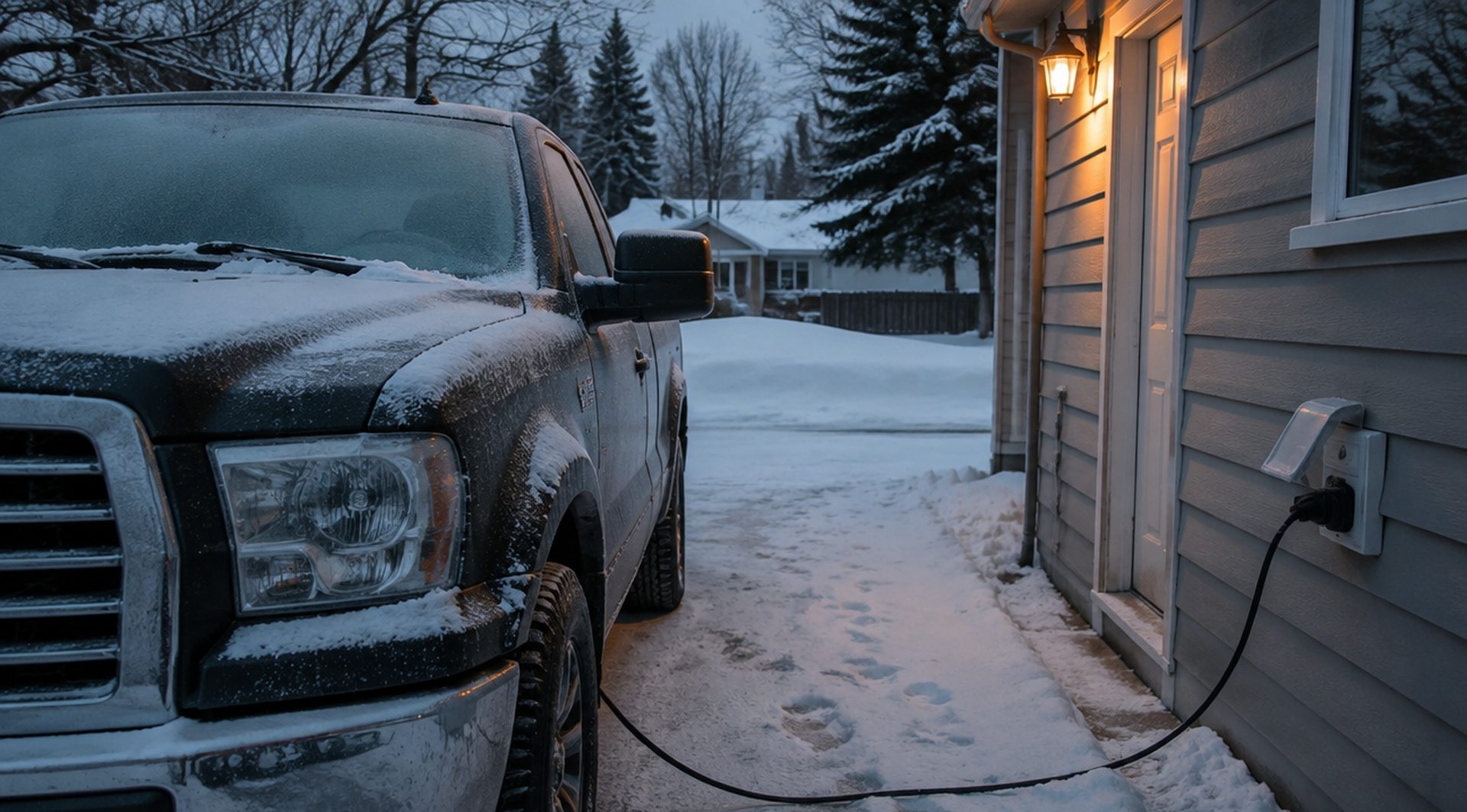
A block heater should plug into an outdoor, GFCI protected outlet with a weatherproof in-use cover close to where you park. Adding a timer so it runs two to three hours before you leave saves real money on the power bill.
We do, every fall. Get your house ready before the first cold snap so you're not running cords across the driveway in the dark.
Done right, cleaned up, and explained in plain English.
Exterior outlets right where you park. Timers optional, recommended.
Power for heat tape on pipes, roofs and gutters to stop freeze-ups and ice dams.
240V circuits for electric garage and shop heaters.
Weather-rated covers that close with the cord plugged in.
So a power outage doesn't turn into a frozen pipe.
A walk-through of the outdoor and cold-weather circuits before winter.
Yes, on the house or on a post where you park. Weather rated with an in-use cover.
Not required, but a timer saves real money on your bill. Most cars only need two to three hours.
Yes. We run the protected circuit, the controls and the cable itself. See our heat tape and heat trace page for the details.
Early fall is best. By the first snow everybody calls at once.
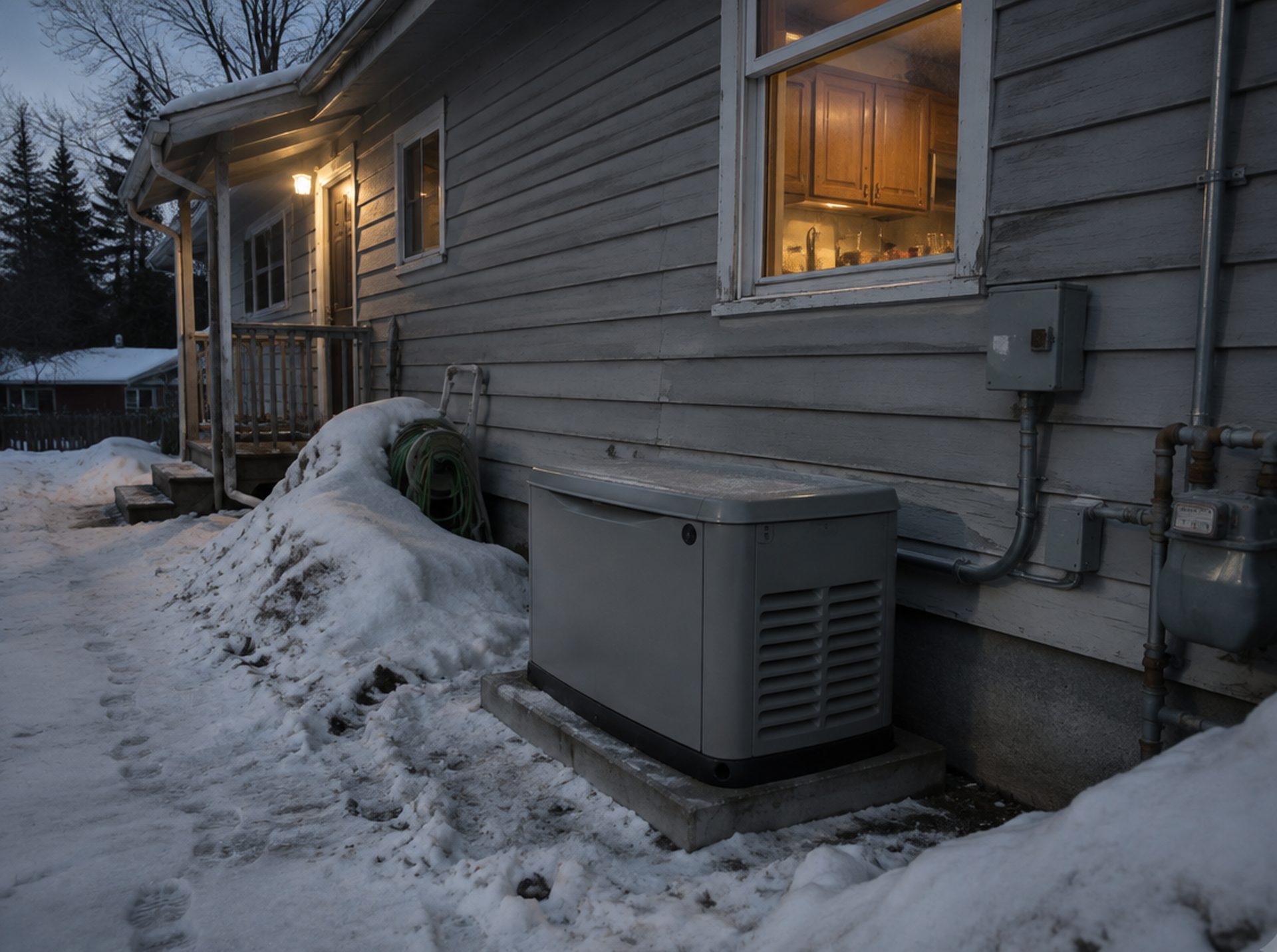
The grid takes a nap. Your heat doesn't.
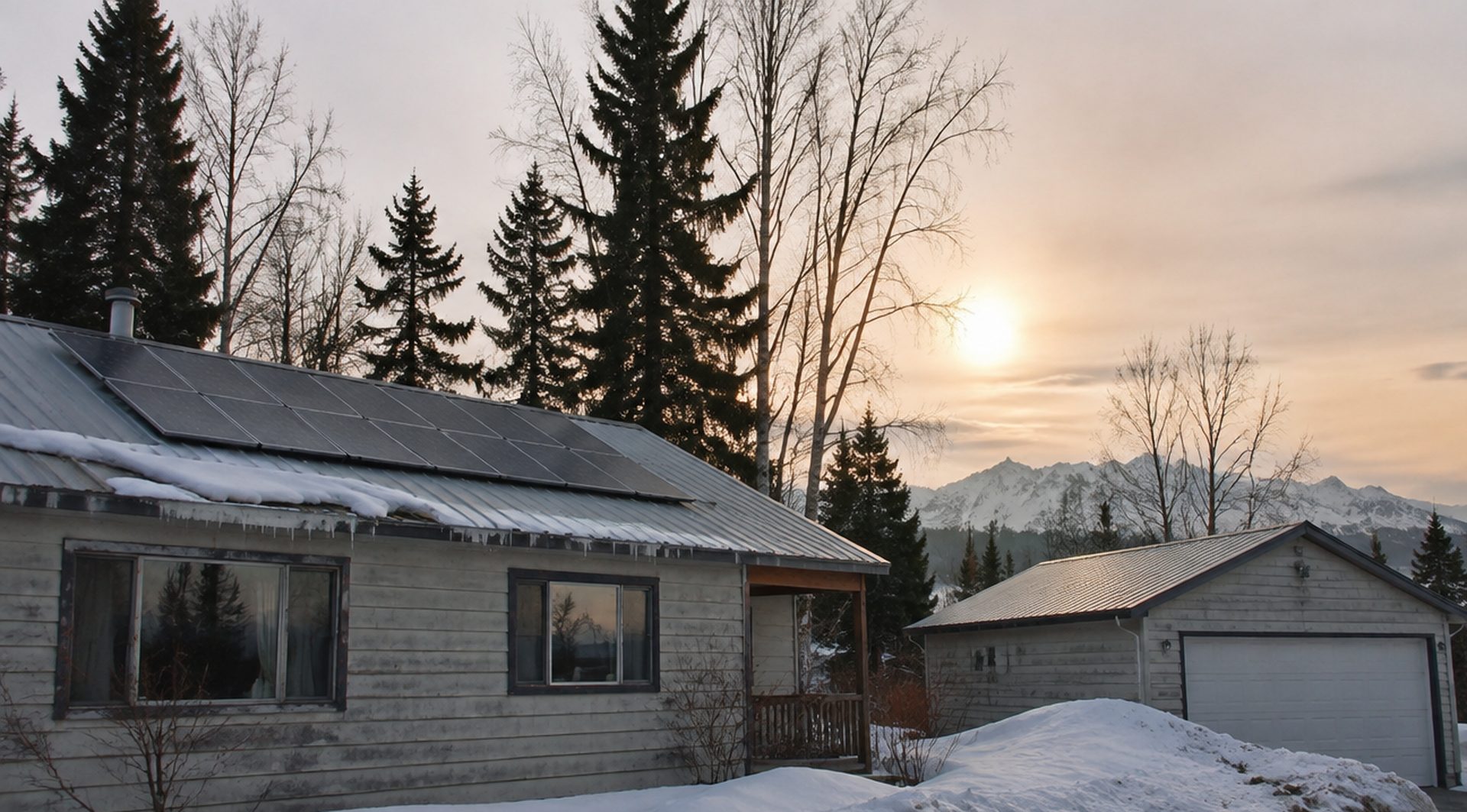
On the grid or off it. Panels, batteries and backup for homes and cabins.
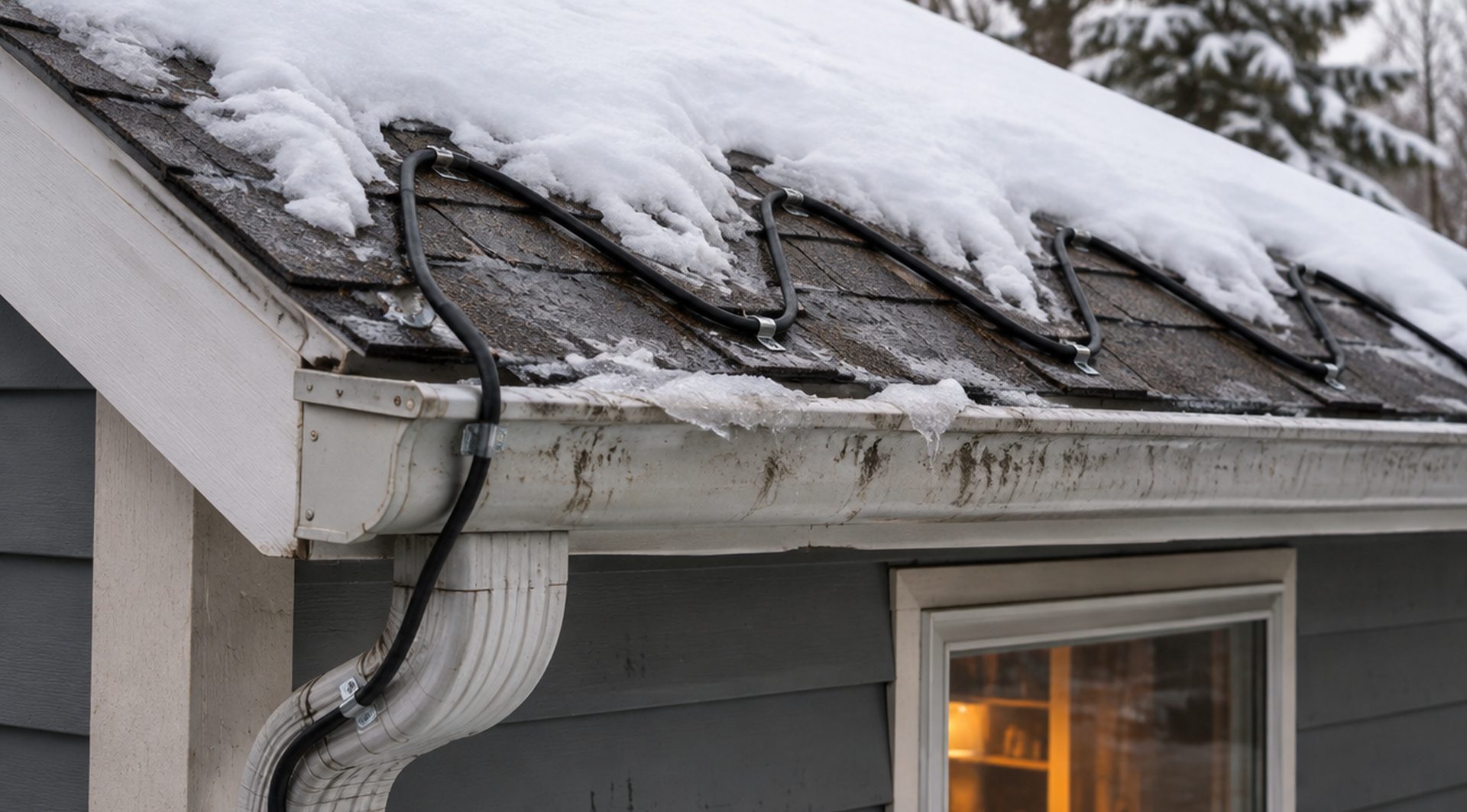
Frozen pipes and ice dams, handled before January does.
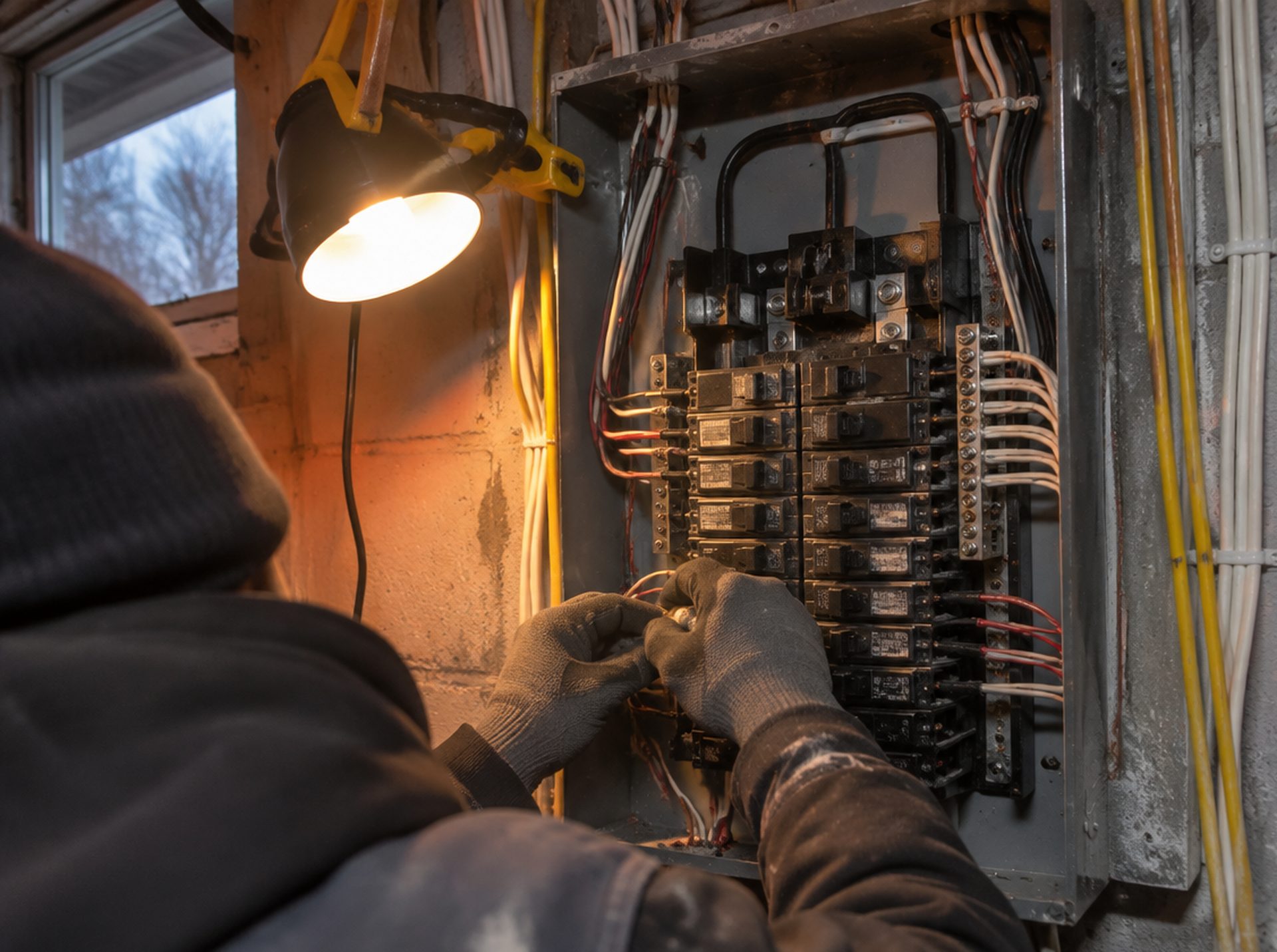
Your toaster and space heater can finally be friends.