Solar & battery backup
Power that stays on
when the grid doesn't.
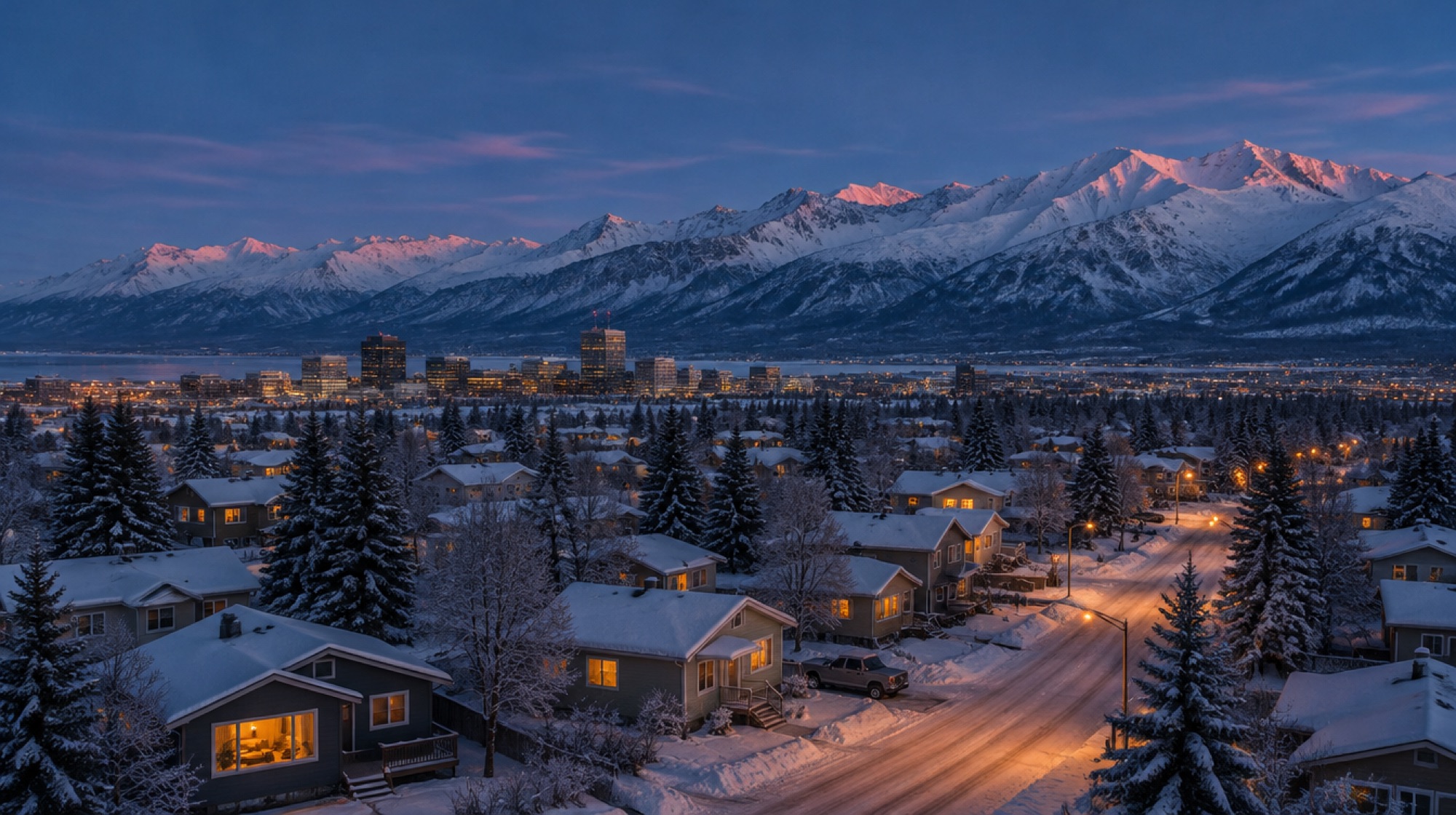
Home solar, battery backup and off-grid systems for homes and cabins in Anchorage, Eagle River and the Mat-Su.
Home solar, battery backup and off-grid systems for homes and cabins in Anchorage, Eagle River and the Mat-Su.
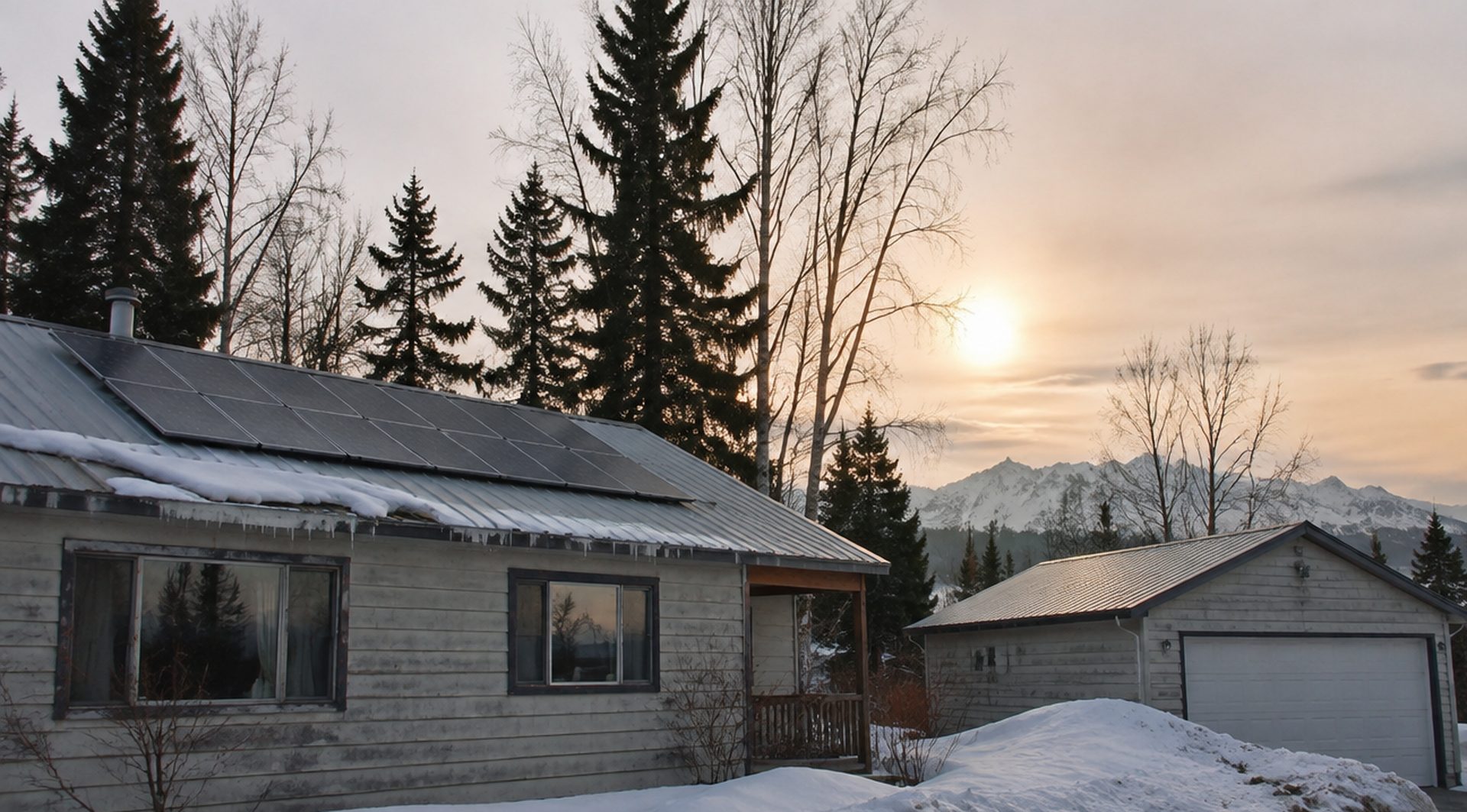
Yes. Solar panels in Alaska produce most of their power from March through September, when long days make up for the low sun angle. Winter output is small, so most homes pair panels with the grid, a battery or a generator to cover the dark months.
Panels do most of their work from spring to early fall. Add a battery and you have backup when the windstorm takes the grid down, or a full off-grid setup for the cabin that cuts the generator's fuel bill.
Done right, cleaned up, and explained in plain English.
Panels on the roof or the ground, tied into your home and your utility.
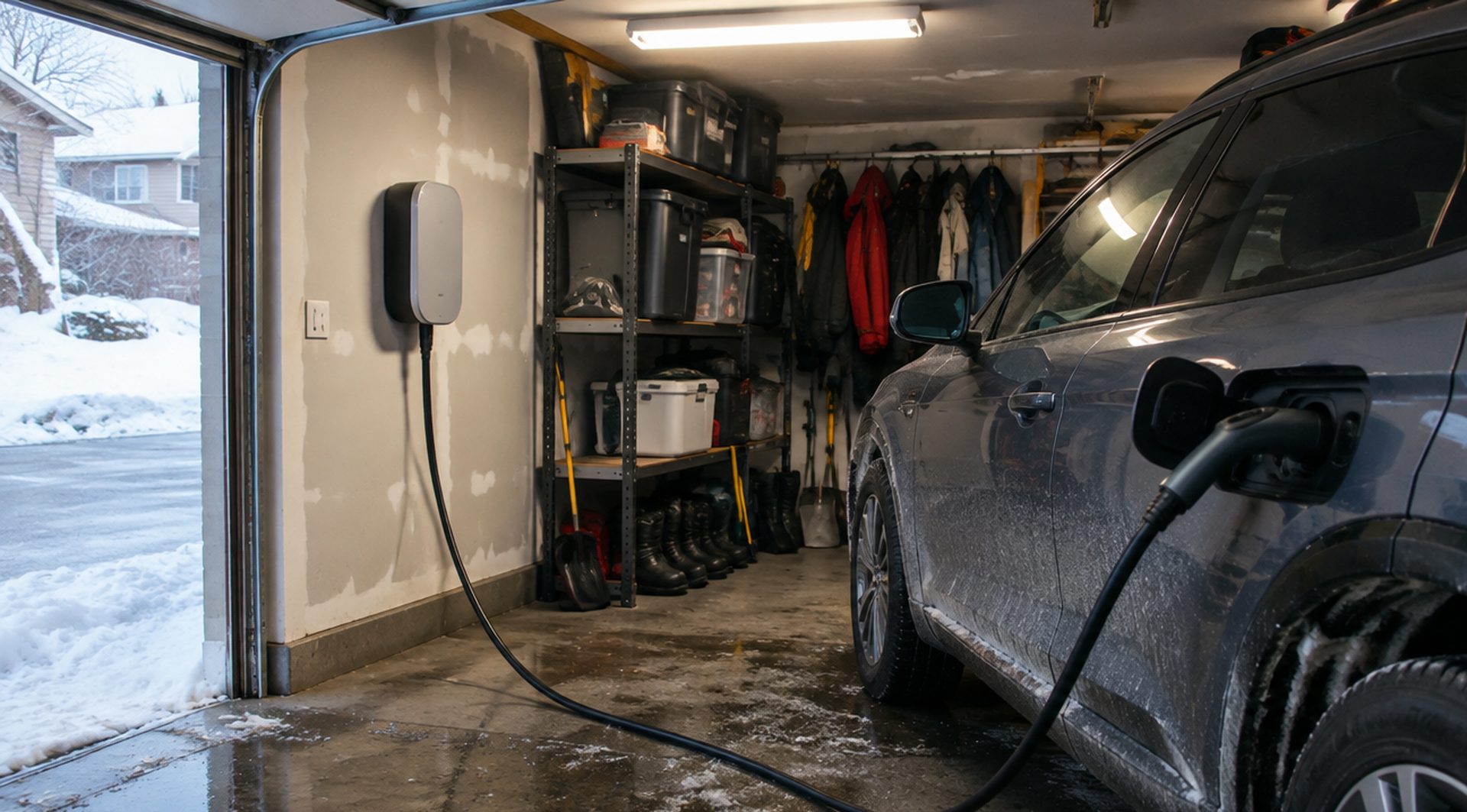
Home batteries like the Tesla Powerwall that keep the furnace, fridge and lights running in an outage.
Panels, a battery bank and an inverter sized for what you actually run.
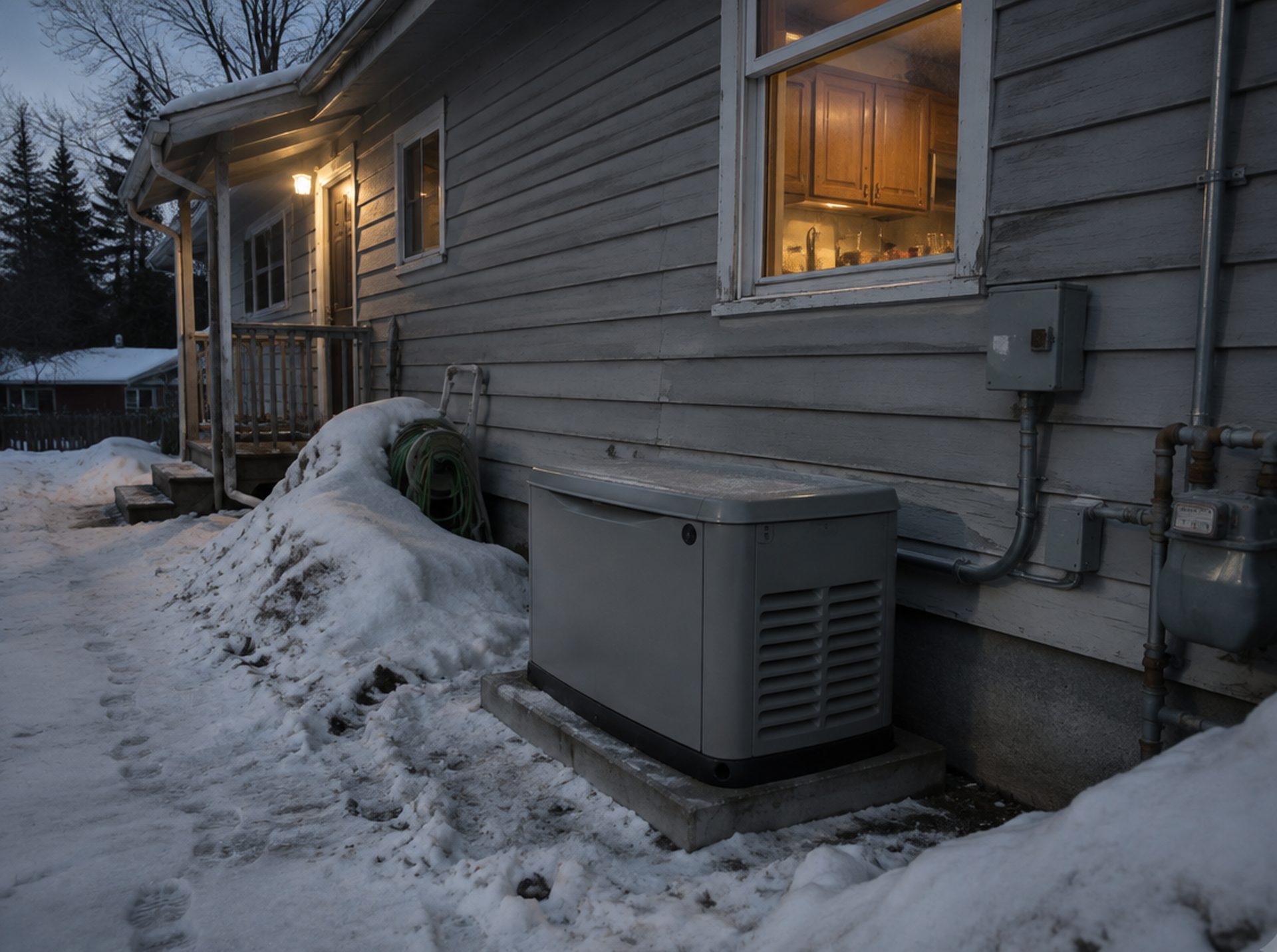
A generator that covers the dark months and tops up the batteries automatically.
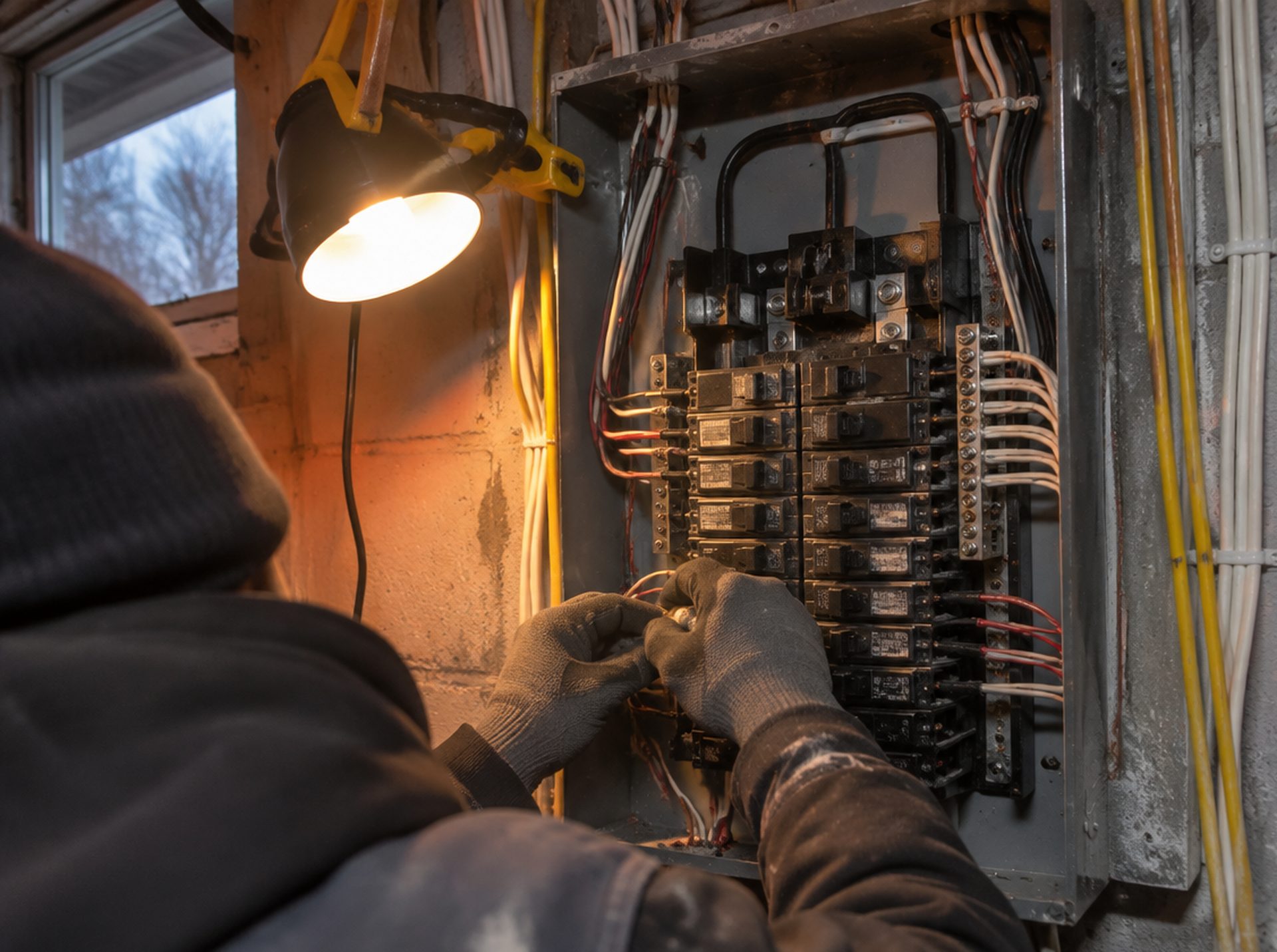
Interconnection and net metering paperwork with Chugach Electric or MEA.
Panel tilt and placement that sheds snow and catches the low winter sun.
They produce far less from November through January, when Anchorage gets only about five to six hours of daylight at the shortest point. Most of the yearly output comes from spring through early fall.
Yes, with enough panels, a battery bank sized for your loads and usually a backup generator for the dark months. We size it from what you actually run.
A home battery can run the circuits you choose, like the furnace, fridge and lights, when the grid goes down. Solar recharges it during the day.
Chugach Electric and MEA both offer net metering for small home systems. We handle the interconnection paperwork, and your utility sets the current terms.