Generators
The grid takes a nap.
Your heat doesn't.
Standby generators, transfer switches and portable inlets, installed for Anchorage winters.
Standby generators, transfer switches and portable inlets, installed for Anchorage winters.
Yes. Any generator that powers house circuits needs a transfer switch or an approved interlock so it can never backfeed the utility lines. A standby generator uses an automatic transfer switch that starts it within seconds of an outage. A portable generator uses an outside inlet and an interlock at the panel.
Windstorms, heavy snow and the occasional moose on a power line. We set you up so the furnace, the fridge and the Wi-Fi keep going while the neighbors go looking for flashlights.
Done right, cleaned up, and explained in plain English.
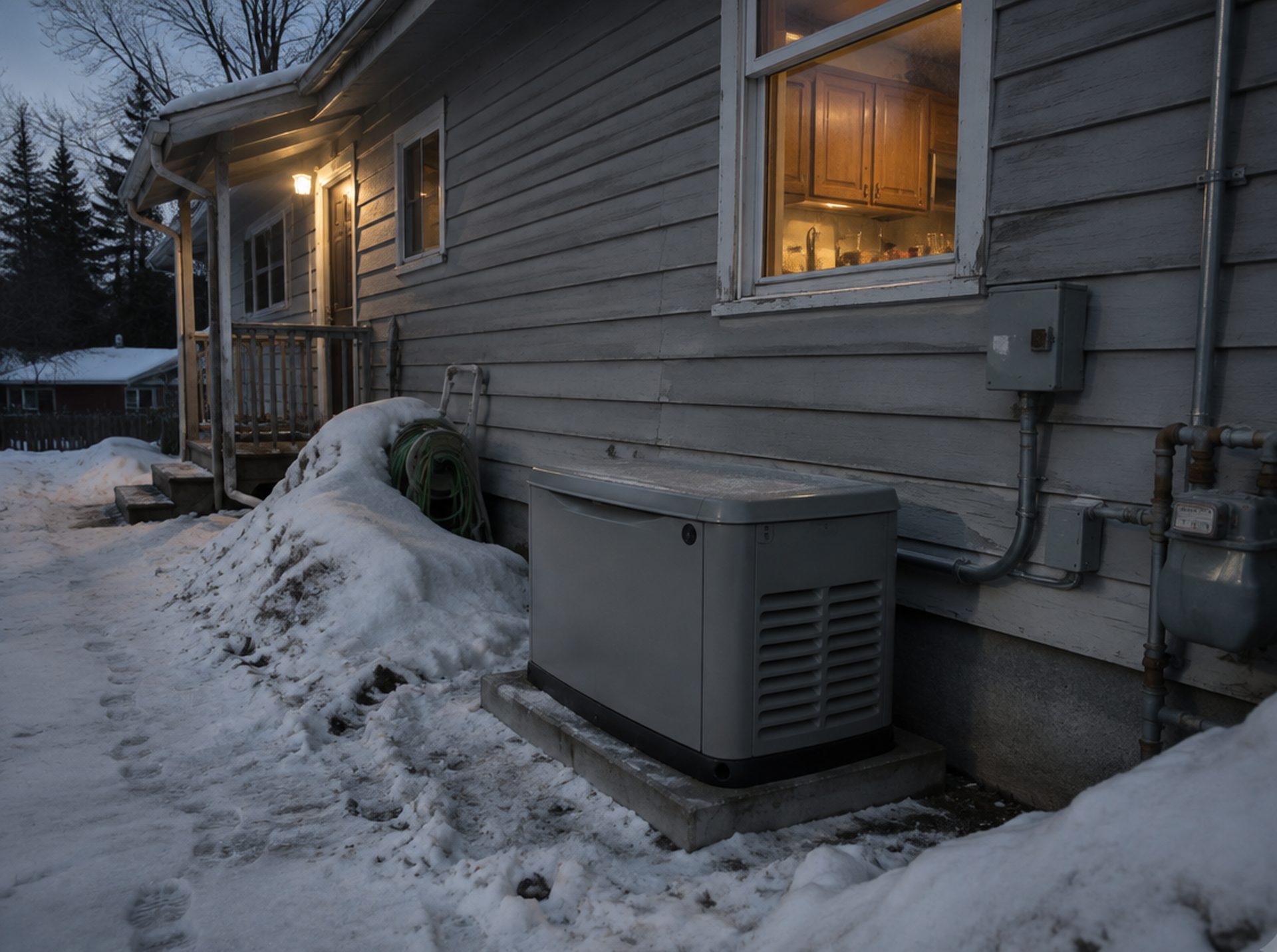
Generac and other major brands. Kicks on by itself within seconds of an outage and runs on natural gas or propane.
The safe way to connect a generator to your home's wiring.
An outside plug and interlock kit so your portable powers the right circuits.
We size it for what you need running, not what a brochure says.
We handle the electrical permit and work with your gas installer.
A once-a-year look so it starts when it counts.
Standby is hands-off and powers more of the house. A portable inlet is the budget option that still keeps the essentials on. We'll walk you through both.
Please don't. It can energize the lines outside and seriously hurt a lineman. An inlet and interlock is the safe version.
We do a load calculation on what you want running during an outage and size it from there.
Usually one to two days once the generator is on site, plus the inspection.
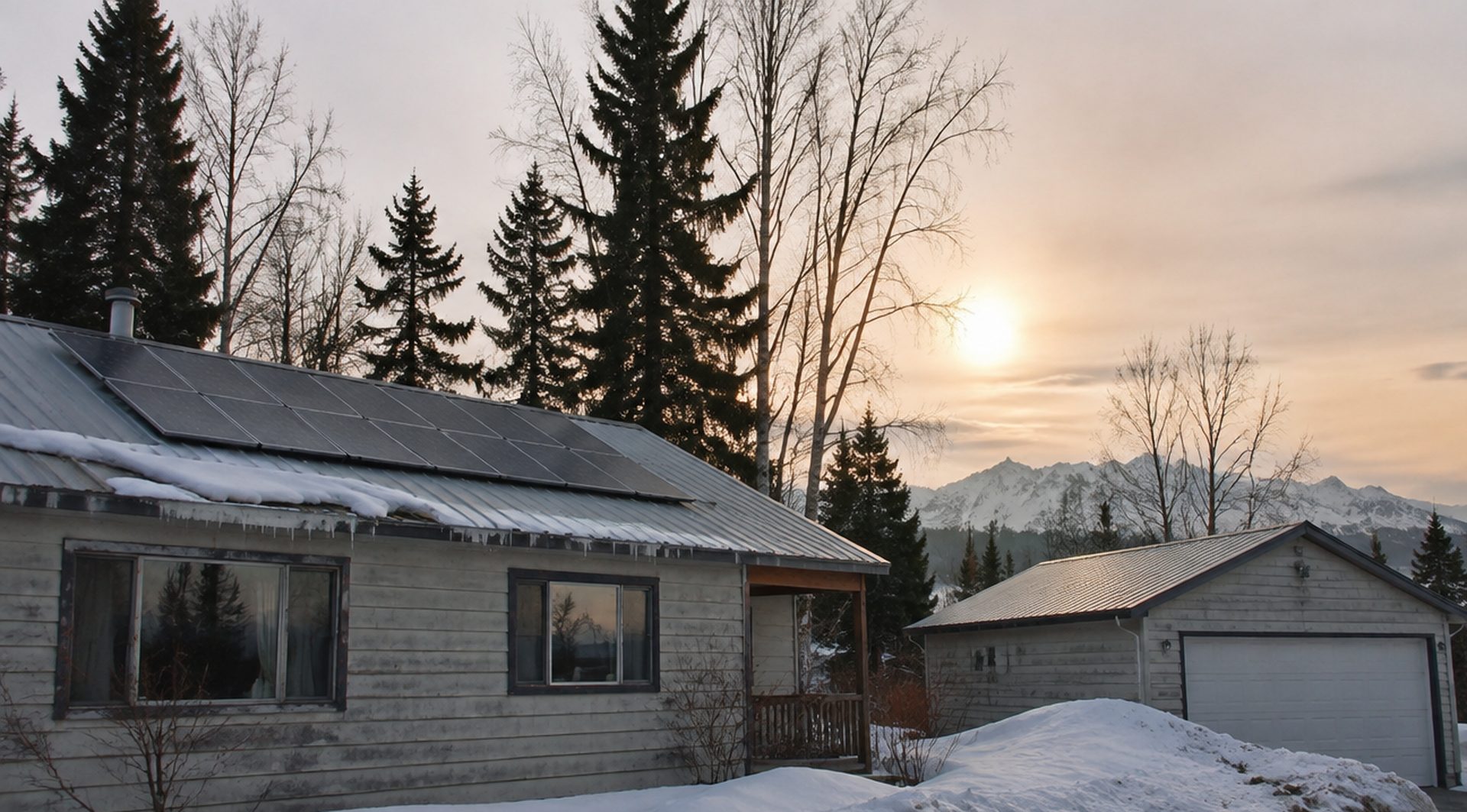
On the grid or off it. Panels, batteries and backup for homes and cabins.
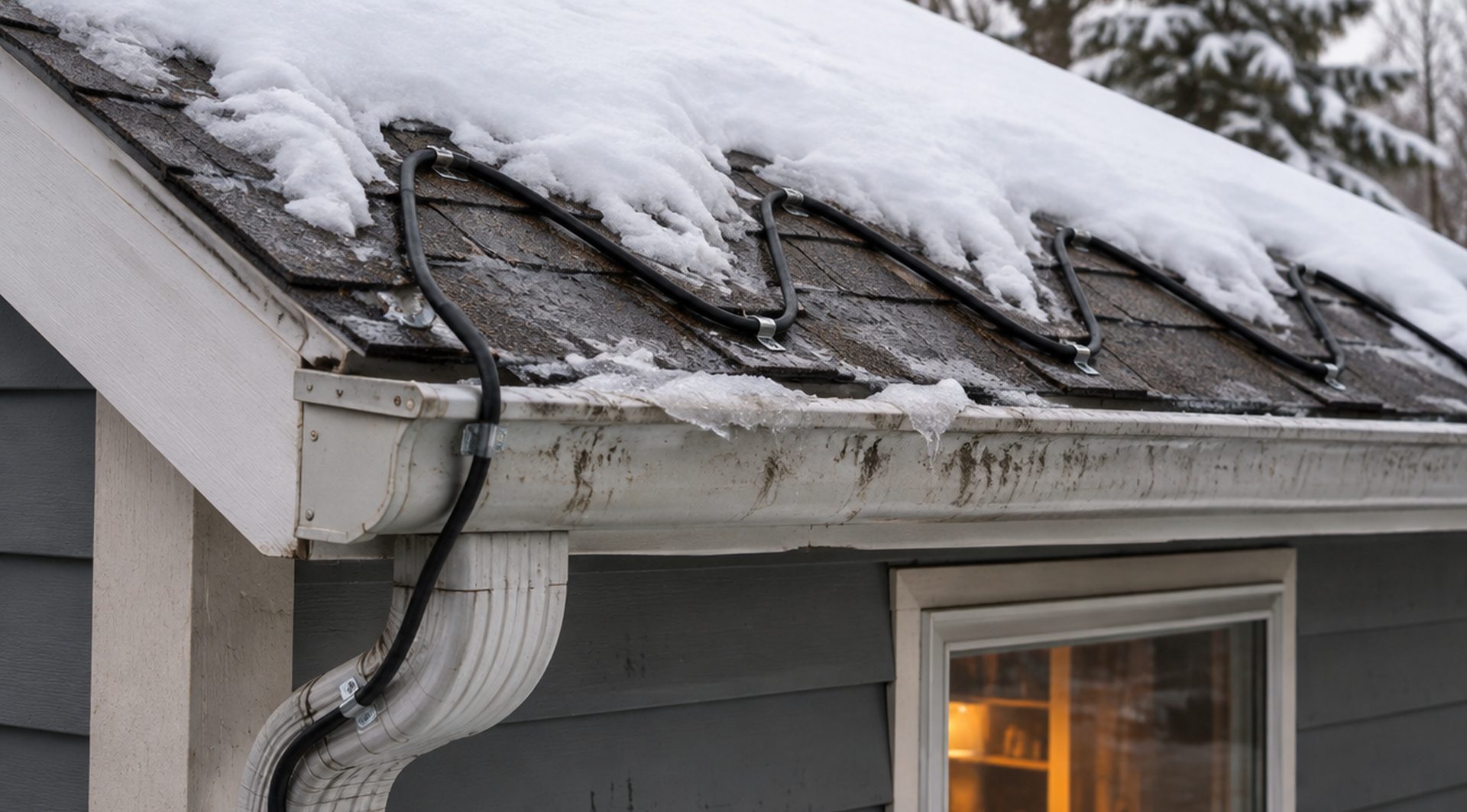
Frozen pipes and ice dams, handled before January does.
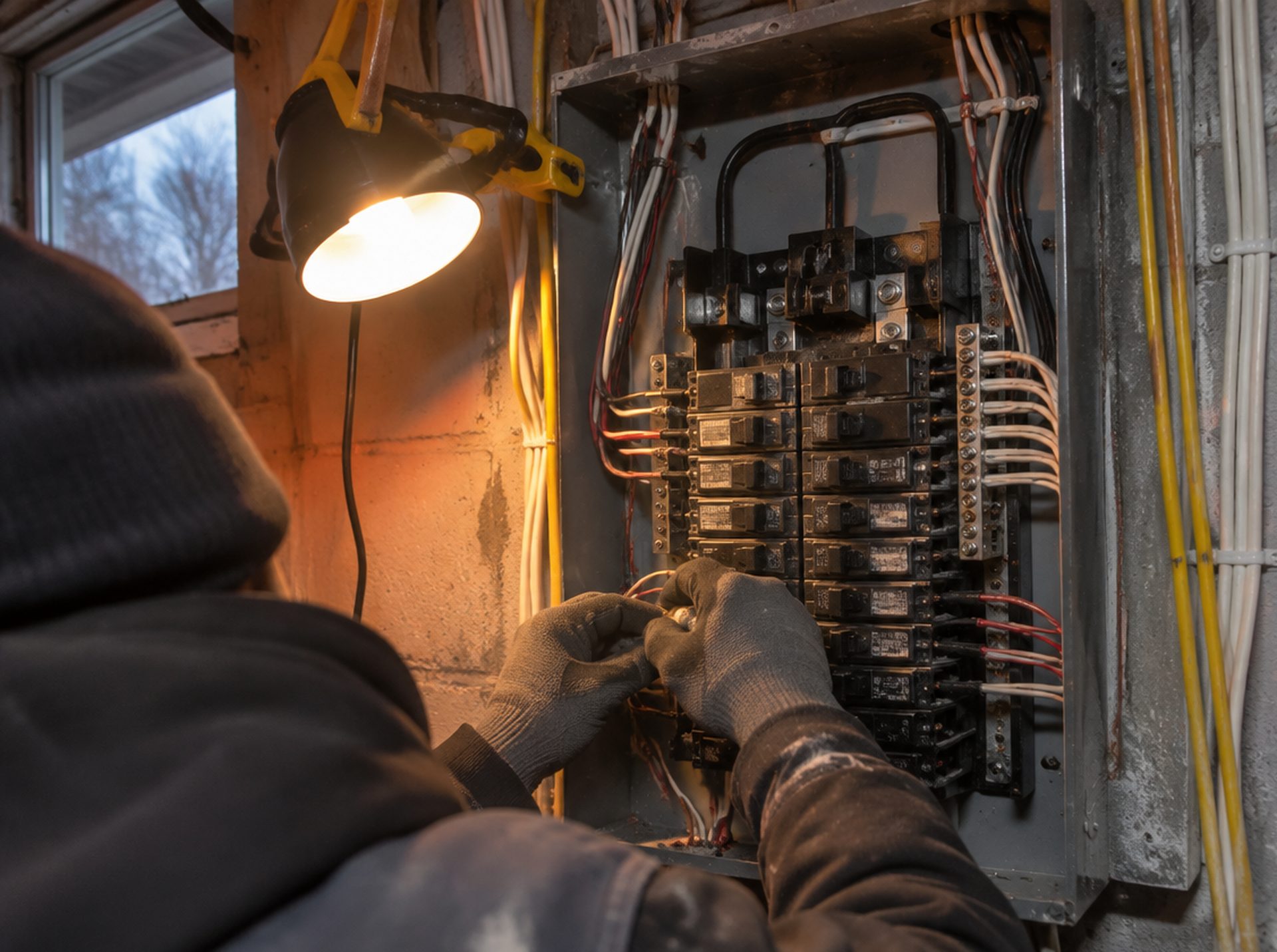
Your toaster and space heater can finally be friends.
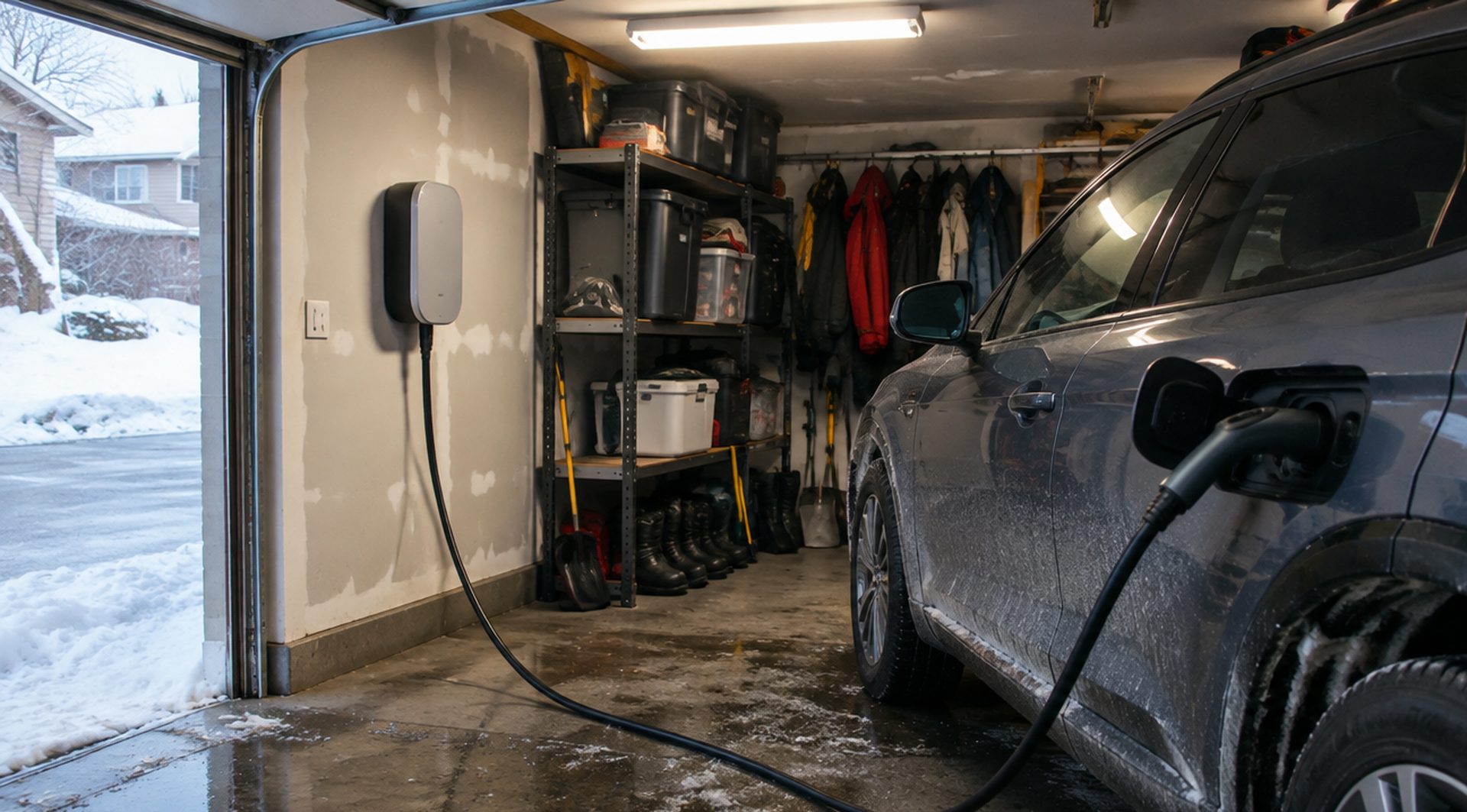
Warm garage, full battery, smug commute.